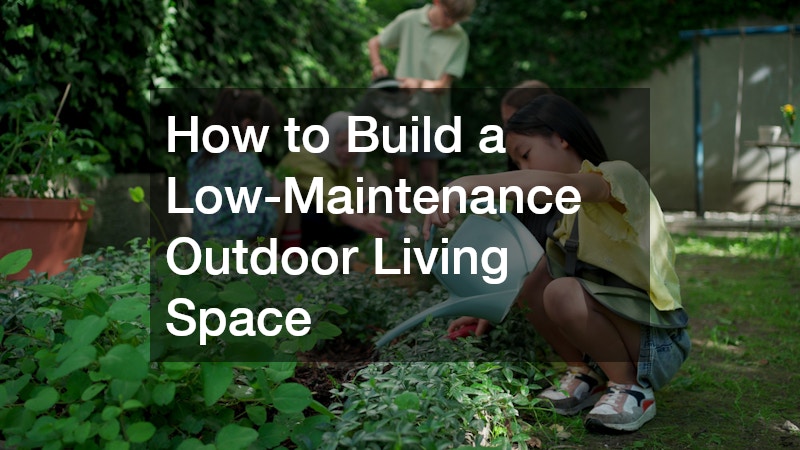
The modern homeowner is increasingly looking for ways to reclaim the weekend. For decades, the American dream was synonymous with a sprawling green lawn and a wooden picket fence, both of which required endless hours of painting, mowing, and weeding. Today, the philosophy has shifted toward “leisure-first” design. A low-maintenance backyard is not merely a collection of plastic plants and concrete; it is a sophisticated marriage of engineering and ecology designed to look beautiful while requiring the bare minimum of physical intervention. By selecting materials that resist the elements and implementing systems that automate routine tasks, you can create an environment that serves as a sanctuary rather than a second job.
The Foundation of a Maintenance-Free Deck
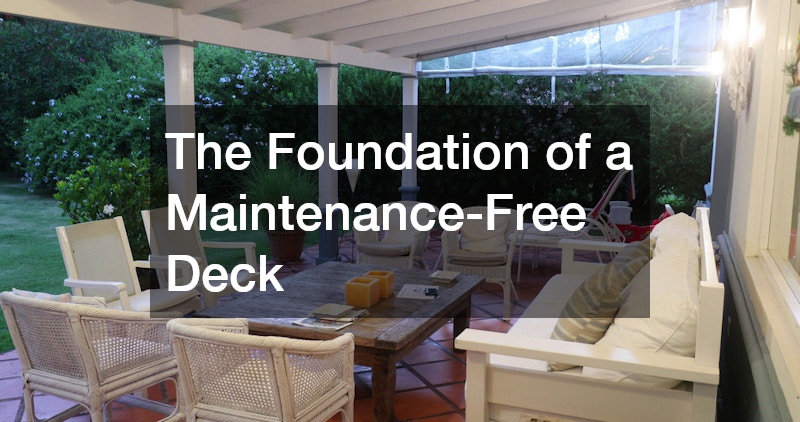
When people think of a backyard retreat, the deck is usually the centerpiece. Traditional wood decks are beautiful when first installed, but they are prone to warping, splintering, and fungal decay. To avoid the annual ritual of power washing and staining, you must look toward advanced material science.
Engineered Wood Alternatives
The shift toward composite materials has revolutionized the industry. Choosing a composite deck is perhaps the single most effective way to reduce your home maintenance checklist. These boards are manufactured from a blend of recycled wood fibers and plastic, creating a surface that is virtually impervious to moisture and insects. Unlike natural cedar or redwood, these boards do not require sanding or sealing to maintain their color.
Beyond the aesthetics, the structural integrity of these materials is superior for long-term use. High-end brands now offer “capped” boards that have an extra layer of protection against scratches and fading. This means that even after a decade of exposure to harsh ultraviolet rays and heavy foot traffic, the boards remain as vibrant as the day they were installed.
Modern Safety and Visibility
Safety is a non-negotiable aspect of any elevated structure, but traditional wood spindles are notorious for trapping dirt and requiring tedious hand-painting. Replacing these with aluminum hand railings is a smart move for the time-conscious homeowner. Aluminum does not rust like wrought iron or rot like wood, and its powder-coated finish ensures that it stays clean with nothing more than an occasional rinse from a garden hose.
- Longevity: Powder-coated metal resists chipping and peeling.
- Visibility: Thinner profiles allow for better views of the surrounding landscape.
- Installation: Many systems feature “snap-together” components that reduce labor costs.
Cultivating a Self-Sustaining Landscape
A common misconception is that a low-maintenance yard must be devoid of life. In reality, a well-planned garden can be quite lush if the right principles are applied. The goal is to move away from high-needs annuals and toward a landscape that takes care of itself.
Strategic Ground Covers
Weeding is often cited as the most hated chore in landscaping. The most effective defense against invasive growth is a physical barrier combined with a heavy organic layer. Spreading a thick layer of mulch across all open soil areas serves multiple purposes. It prevents sunlight from reaching weed seeds, retains moisture so you water less frequently, and adds nutrients back into the ground as it slowly decomposes.
When selecting your ground cover, look for larger chips or “double-ground” varieties. These stay in place better than fine-textured options during heavy rains. By maintaining a depth of three to four inches, you create an environment where the plants you want can thrive while the ones you don’t are naturally suppressed.
Sourcing Resilient Plant Life
Success in the garden begins with proper selection. If you choose plants that are not suited to your local climate, you will spend your life trying to keep them on life support. Visiting a local nursery is the best way to identify native species that have evolved to survive in your specific soil and weather conditions. These experts can guide you toward “set it and forget it” perennials that come back every year without needing special winter protection or excessive fertilizing.
- Natives: These require less water and are naturally resistant to local pests.
- Slow-growers: Choose shrubs that reach a certain height and stop, reducing the need for pruning.
- Drought-tolerance: Look for plants with waxy leaves or deep root systems.
Reimagining the Modern Turf Experience

The traditional American lawn is often the most resource-heavy part of any property, demanding a staggering amount of upkeep to remain presentable. It requires constant mowing, seasonal fertilizing, and thousands of gallons of water just to survive the summer heat. For many homeowners, the pursuit of an elusive, “perfect” lawn becomes a source of recurring stress rather than a point of pride or joy. To solve this, many are moving away from high-maintenance grass and looking toward alternatives that prioritize time and sustainability. By rethinking the ground cover, you can significantly decrease the footprint of your chores while maintaining a vibrant, green aesthetic.
For those who want the look of a manicured golf course without any of the physical effort, modern technology has provided a highly convincing solution. A professional synthetic lawn installation provides a soft, lush, and green surface that looks pristine year-round. This is particularly beneficial in shaded areas under large trees where real grass typically struggles to grow or in high-traffic play zones where pets and children tend to create unsightly mud pits. It eliminates the need for heavy equipment storage and removes the danger of gasoline spills or electrical cords associated with traditional mowing.
Modern turf products are a far cry from the stiff, “plastic grass” of previous decades. Today’s high-end versions feature various blade heights, variegated colors, and realistic textures that mimic specific regional grass types like tall fescue or Kentucky bluegrass. Additionally, the advanced permeable backing allows water to drain directly into the ground at a rate faster than natural soil, effectively preventing the puddling and runoff issues often associated with non-porous hard surfaces. This way ensures that your yard is always ready for a barefoot walk, regardless of the season or the weather forecast.
Automating the Vitality of Natural Greenery
If you still prefer the cooling effect and soft feel of natural grass under your feet, the secret to achieving low maintenance is total automation. Dragging a heavy hose around the yard is an inefficient use of your limited time and almost always leads to uneven watering, which can stress the grass and encourage fungal growth. Hiring an experienced lawn irrigation company ensures that your grass receives exactly the amount of hydration it needs at the optimal time of day. Professional installation means the system is designed to provide head-to-head coverage, leaving no dry brown patches or over-saturated corners.
Modern irrigation technology has entered the era of the smart home, allowing for unprecedented control over your exterior resources. Smart irrigation systems can now be controlled via smartphone and use real-time local weather data to automatically skip cycles when rain is in the forecast. This level of precision not only saves you dozens of hours of manual labor throughout the growing season but also significantly reduces your monthly utility bill by eliminating the waste of watering during a storm.
- Zone Control: Divide your yard based on sun exposure to ensure thirsty grass gets more water than shaded garden beds.
- Leak Detection: Modern sensors can alert you to broken sprinkler heads or underground pipe leaks before they cause property damage.
- Precision Timing: Scheduled early-morning watering reduces evaporation loss and prevents leaf diseases.
By handing off the responsibility of hydration to an automated system, you transform the lawn from a needy burden into a self-sustaining asset. A well-designed system takes into account the slope of your land and the specific soil type to prevent runoff into the street. Ultimately, this structural investment ensures that your landscape remains healthy and resilient, even during the peak of a dry spell, without you ever having to lift a finger or check a rain gauge.
Hardscaping for Permanent Functionality
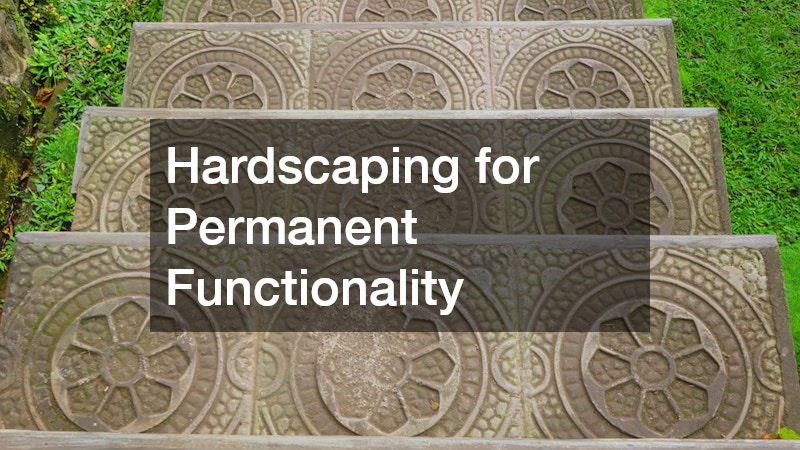
Hardscaping refers to the non-living elements of your landscape. Unlike plants, which grow and change, stone and concrete stay exactly where you put them. By increasing the ratio of hardscape to softscape, you permanently reduce the amount of maintenance required.
The Anchor of the Backyard
A wooden deck is great, but for a truly permanent solution, stone is king. A professional stone patio installation creates a rugged, beautiful floor for your outdoor room that will literally last a lifetime. Whether you choose natural flagstone or precision-cut pavers, these surfaces handle heavy grills, fire pits, and large dining sets without the risk of structural failure.
- Stability: Pavers are flexible and can shift slightly with the ground without cracking.
- Repairability: If a single stone is stained or damaged, it can be replaced individually.
- Permeability: Many modern stone systems allow water to seep between joints, reducing runoff.
Defining Your Lifestyle Zones
Once your surfaces are in place, you must think about how you inhabit the area. Creating a cohesive outdoor living space involves more than just putting out a few chairs. It is about defining functional zones for cooking, dining, and relaxing. By using weather-resistant furniture and permanent lighting, you ensure the space is always ready for use without a long setup process.
Think of this area as an extension of your indoor floor plan. Integrated features like built-in stone benches or a permanent kitchen island eliminate the need to move heavy items in and out of storage every season. The goal is to make the transition from the house to the yard as seamless as possible.
Secure and Stylish Boundaries

The perimeter of your property provides privacy and a sense of enclosure. However, a fence that is leaning or peeling can make the entire property look neglected. The choice of fencing material is perhaps the most visible maintenance decision you will make.
Zero-Maintenance Privacy
While wood fences are the traditional choice, they are subject to the same rot and insect issues as wood decks. Switching to vinyl fencing offers a clean, architectural look that never needs to be scraped, primed, or painted. It is also flexible enough to withstand high winds and won’t splinter over time, making it a safer option for homes with children or pets.
Vinyl is also highly resistant to the biological growth that often plagues wood. While a wood fence might grow green algae or mold in damp areas, vinyl can be cleaned with a simple mixture of soap and water. This ensures your property border remains bright and attractive for decades with almost no effort.
Functional Access Points
The most common failure point of any fence is the entrance. Heavy gates often sag over time, making them difficult to open and close. Selecting a high-quality vinyl fence gate that uses reinforced internal frames and stainless steel hardware prevents these mechanical issues. A gate that stays square and latches correctly every time is a small detail that saves significant frustration over the years.
- Hardware: Use self-closing hinges and magnetic latches for safety, ensuring the yard remains secure even if someone forgets to pull the gate shut.
- Reinforcement: Ensure the gate posts are set deeper and with a higher volume of concrete than the standard line posts to handle the weight and torque of the swinging door.
- Aesthetics: Match the gate style exactly to the fence for a unified look, creating a seamless transition that enhances the overall architectural flow of the yard.
Designing a low-maintenance space is an exercise in foresight. While it may be tempting to cut corners during the initial construction, those decisions almost always result in more work down the road. For example, skipping the weed barrier under a stone path or choosing a cheaper grade of railing will lead to hours of repair work within just a few years.
True luxury in a home is not just about the quality of the finishes, but the quality of the life lived within it. By investing in materials that stand up to the sun, rain, and snow, you shift the focus of your home life from “working on the house” to “enjoying the home.” This approach also adds significant value to your property. Potential buyers are often wary of large yards because they see them as a burden. When they see a yard that is beautiful, automated, and constructed from permanent materials, it becomes a major selling point.