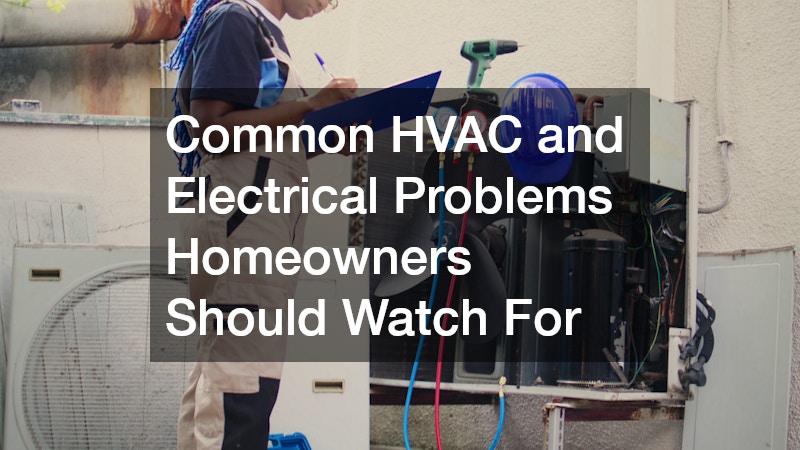
Modern homes rely on a wide network of systems to keep daily life comfortable, safe, and efficient. Heating, cooling, and electrical systems all work together behind the scenes to maintain indoor temperatures, power essential appliances, and support everything from lighting to communication devices. When these systems function properly, most homeowners rarely think about them. However, when something goes wrong, the disruption can quickly become noticeable and inconvenient. Understanding the early signs of potential problems can help homeowners avoid costly repairs, sudden breakdowns, and dangerous situations.
Unfortunately, many homeowners only become aware of problems after they escalate. Strange noises, uneven temperatures, flickering lights, or sudden power interruptions often indicate underlying issues that require attention. Ignoring these warning signs can lead to more severe problems over time, including expensive repairs, equipment failure, or even safety hazards. Recognizing the early indicators of system trouble allows homeowners to address concerns before they become emergencies.
Regular inspections, proper maintenance, and timely repairs play an important role in keeping home systems running efficiently. Small problems can often be resolved quickly when caught early, preventing larger issues that could affect comfort and safety. Learning about common warning signs empowers homeowners to make informed decisions about their property and take proactive steps toward maintaining their home’s essential systems.
Recognizing Early Warning Signs That Your Cooling System Needs Attention
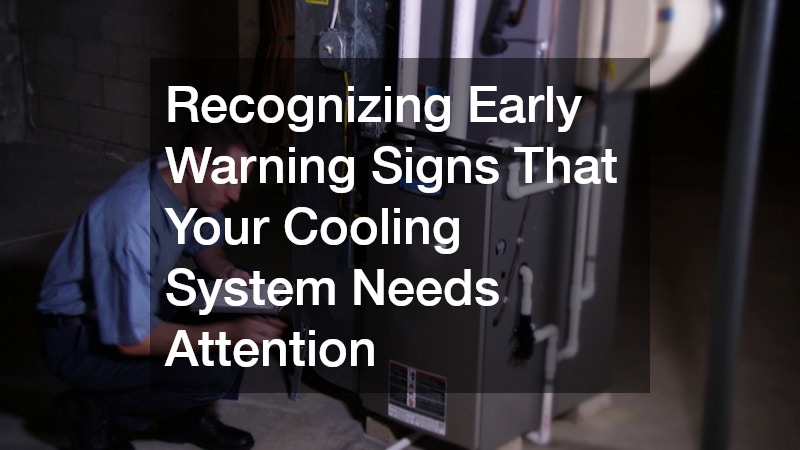
Air conditioning systems are designed to operate quietly and efficiently, providing consistent comfort during warm weather. When problems begin to develop, however, the equipment often produces subtle warning signs that homeowners should not ignore. Paying attention to these early indicators can help prevent a complete system failure during the hottest days of the year.
One of the most common warning signs is uneven cooling throughout the home. Some rooms may feel significantly warmer than others, even when the thermostat setting remains consistent. This issue may indicate airflow restrictions, clogged filters, or mechanical problems within the cooling system. Addressing these issues early can prevent additional strain on the system.
Another red flag is unusual noise coming from vents or outdoor equipment. Banging, rattling, or grinding sounds often suggest loose components, worn parts, or mechanical stress within the system. When these sounds occur regularly, scheduling professional HVAC Service can help diagnose the problem before it worsens.
Homeowners should also pay attention to rising energy bills. If cooling costs suddenly increase without a corresponding rise in usage, the system may be working harder than necessary due to inefficiency or mechanical wear. A professional inspection can identify problems that reduce system performance.
Other signs may include weak airflow, unusual odors, or a cooling system that frequently cycles on and off. Each of these symptoms may indicate developing mechanical issues that require prompt attention. Addressing concerns early helps maintain comfort while reducing the risk of expensive repairs later.
Why Routine System Maintenance Helps Prevent Major Breakdowns
Routine maintenance plays a crucial role in protecting home comfort systems from unexpected failure. Many heating and cooling problems develop slowly over time as components experience normal wear. Without regular inspections and preventative care, these small issues can eventually lead to major system breakdowns.
Professional HVAC services help identify potential concerns before they cause serious damage. During a maintenance visit, technicians typically inspect key components such as coils, motors, refrigerant levels, filters, and airflow pathways. These inspections ensure that the system operates efficiently while reducing unnecessary strain on mechanical parts.
Regular maintenance also improves energy efficiency. When dust, debris, or clogged filters accumulate within the system, airflow becomes restricted. This forces the equipment to work harder to maintain comfortable temperatures, which can increase energy consumption and accelerate component wear.
Another advantage of routine maintenance is extending the lifespan of major equipment. Heating and cooling systems represent a significant investment for homeowners, and proper care can help these systems operate effectively for many years. Addressing small issues early often prevents costly replacements.
In addition to improving performance, maintenance visits provide peace of mind. Knowing that equipment has been professionally inspected allows homeowners to enter each heating or cooling season with confidence. Preventative care remains one of the most effective strategies for avoiding unexpected system disruptions.
Understanding the Causes of Sudden Heating or Cooling Failures
Few household problems are as frustrating as a heating or cooling system that suddenly stops working. When temperatures outside become extreme, homeowners rely heavily on these systems to maintain indoor comfort. Understanding the common causes of sudden system failure can help homeowners respond quickly and appropriately.
One frequent cause of system failure is neglected maintenance. When components accumulate dirt or experience prolonged wear without inspection, the system becomes more vulnerable to breakdown. Overheated motors, clogged filters, and blocked airflow can all contribute to sudden equipment shutdowns.
Electrical problems may also lead to unexpected failures. Faulty wiring, damaged capacitors, or malfunctioning thermostats can interrupt system operation. When electrical components fail, the equipment may shut down entirely or behave unpredictably.
Refrigerant leaks represent another potential issue in cooling systems. When refrigerant levels drop, the system cannot properly absorb heat from indoor air. As a result, cooling performance declines and mechanical stress increases. In these situations, professional HVAC repair is necessary to restore proper operation.
Mechanical wear is also a major contributor to system breakdowns. Belts, bearings, and other moving components experience stress during regular operation. Over time, these parts may deteriorate and eventually fail. Addressing early warning signs helps reduce the likelihood of sudden equipment failure.
Identifying Electrical Safety Issues Before They Become Dangerous
Electrical systems provide essential power for modern homes, but they also require careful attention to ensure safety. Faulty wiring, overloaded circuits, and outdated equipment can create serious hazards if left unaddressed. Recognizing warning signs early can help prevent accidents and protect both property and occupants.
Flickering lights often represent one of the first signs of electrical trouble. While occasional flickering may result from minor fluctuations, persistent or widespread flickering could indicate wiring issues or overloaded circuits. When these symptoms occur regularly, consulting a certified electrician can help identify the underlying cause.
Another warning sign is the presence of burning smells near outlets or electrical panels. Electrical components should never emit burning odors, and this symptom may indicate overheating wires or failing equipment. Immediate professional evaluation is essential in these situations.
Frequent circuit breaker trips also deserve attention. Breakers are designed to shut off power when circuits become overloaded or unsafe. However, repeated trips may indicate deeper electrical problems that require investigation.
Warm outlets, buzzing sounds, or discolored wall plates may also signal electrical issues. Addressing these concerns promptly helps ensure that electrical systems continue operating safely while minimizing the risk of fire or equipment damage.
Preparing Your Home for Power Outages and Backup Power Needs
Power outages can occur unexpectedly due to severe weather, equipment failure, or regional power disruptions. When electricity is unavailable, many essential household systems stop functioning, including heating, cooling, refrigeration, and lighting. Preparing for outages helps homeowners maintain safety and comfort during these situations.
Backup generators provide one of the most reliable solutions for maintaining power during emergencies. These systems automatically or manually supply electricity when the primary power source fails. Choosing the right equipment often involves evaluating home energy needs and determining which systems require backup power.
Professional generator companies assist homeowners in selecting and installing appropriate backup systems. These specialists evaluate electrical demand, recommend suitable generator sizes, and ensure that equipment connects safely to the home’s electrical infrastructure.
In addition to generator installation, homeowners can take several steps to prepare for outages. Maintaining flashlights, battery-powered radios, and emergency supplies helps households remain prepared during extended power interruptions. Surge protectors can also help safeguard sensitive electronics when power is restored.
Planning ahead for potential outages allows homeowners to minimize disruptions and maintain essential functions even when external power sources become unavailable.
Signs Your Home’s Wiring May Need Professional Attention
Electrical wiring serves as the foundation of a home’s power distribution system. Over time, wiring may deteriorate, become damaged, or struggle to support modern electrical demands. Recognizing early signs of wiring problems can help homeowners address concerns before they escalate.
One common warning sign is frequently tripping circuit breakers. While occasional trips may occur when circuits become overloaded, consistent disruptions may indicate wiring problems or outdated electrical systems.
Another indicator is dimming lights when appliances operate. If lights dim noticeably when large appliances turn on, the electrical system may be struggling to distribute power effectively. This situation often requires professional evaluation.
Homeowners may also notice outlets that no longer function properly. Dead outlets or those that feel loose in the wall may indicate underlying wiring concerns. In these situations, professional electrical services can help diagnose and resolve the issue safely.
Older homes may be particularly vulnerable to wiring problems due to outdated electrical infrastructure. Upgrading or repairing aging wiring systems helps improve both safety and system reliability.
Knowing When Electrical System Upgrades Are Necessary
As technology evolves, homes often require more electrical capacity than older systems were designed to handle. Modern households rely on numerous devices, appliances, and smart technologies that place increased demands on electrical infrastructure. Recognizing when upgrades are necessary helps ensure that electrical systems remain safe and efficient.
Homes with outdated electrical panels may struggle to support modern power requirements. When circuits frequently overload or breakers trip repeatedly, the system may require expansion or modernization. Upgrading the panel allows electricity to distribute more effectively throughout the home.
Renovations and home additions also create increased electrical demand. Adding new appliances, entertainment systems, or home offices may require additional circuits or improved wiring. Consulting an experienced electrical contractor helps ensure that upgrades meet safety standards and building codes.
Another sign that upgrades may be necessary is the absence of ground fault circuit interrupters in areas such as kitchens, bathrooms, and outdoor outlets. These safety devices help prevent electrical shock by automatically cutting power when irregularities occur.
Upgrading electrical systems not only improves safety but also enhances the home’s ability to support modern technology and appliances.
Troubleshooting Small Electrical Issues Around the Home
While some electrical problems require professional attention, homeowners can safely address certain minor issues through basic troubleshooting. Understanding how to identify simple problems can help restore functionality quickly while determining when professional help may be necessary.
One common issue involves tripped circuit breakers. When power suddenly shuts off in one area of the home, checking the electrical panel often reveals the cause. Resetting the breaker may restore power if the overload was temporary.
Loose light bulbs or faulty switches can also cause lighting problems. Tightening bulbs or replacing worn switches may resolve flickering or intermittent lighting. However, persistent problems may indicate deeper wiring issues.
When problems extend beyond simple fixes, consulting a local electrician helps ensure safe and effective repairs. Electrical systems can pose serious hazards when handled improperly, so professional assistance remains important for complex issues.
Maintaining awareness of electrical system performance allows homeowners to identify concerns early and respond appropriately.
Detecting Problems With Your Home’s Heating System Early
Heating systems play an essential role in maintaining comfort during cold weather. When these systems begin to malfunction, early warning signs often appear before a complete breakdown occurs. Recognizing these symptoms allows homeowners to address issues promptly.
One common indicator of heating problems is uneven warmth throughout the home. Certain rooms may feel colder than others, suggesting airflow restrictions or mechanical issues within the system. Addressing these concerns early helps maintain consistent indoor comfort.
Strange noises such as banging, whistling, or rattling may also signal developing problems. These sounds often indicate loose components or mechanical wear within the heating system. Scheduling furnace repairs can help prevent further damage.
Another warning sign is a sudden increase in heating costs. When systems operate inefficiently, they may require more energy to maintain the desired temperature. A professional inspection can identify factors contributing to reduced efficiency.
Routine inspections and maintenance help keep heating systems operating reliably throughout the colder months.
Ensuring Reliable Fuel Supply for Cold-Weather Heating
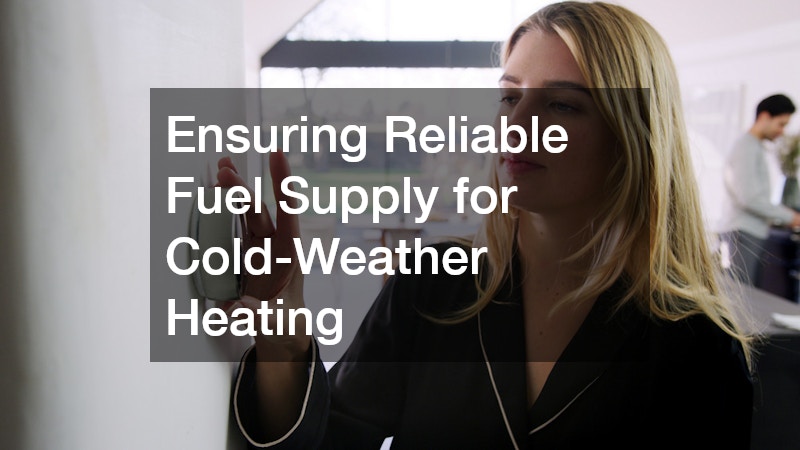
For homes that rely on fuel-based heating systems, maintaining a consistent fuel supply remains essential during colder months. Running out of fuel can lead to uncomfortable indoor conditions and potential system disruptions.
Monitoring fuel levels regularly helps homeowners avoid unexpected shortages. Scheduling timely refills ensures that heating systems continue operating without interruption during periods of increased demand.
Working with a reliable heating oil delivery service provides additional convenience and peace of mind. Many providers offer automatic delivery programs that track usage and schedule refills before supplies run low.
Homeowners may also benefit from maintaining efficient heating equipment and proper insulation. Efficient systems require less fuel to maintain comfortable temperatures, helping reduce overall consumption.
Planning ahead for winter fuel needs helps households remain warm and comfortable even during the coldest periods of the year.
Preventative maintenance remains one of the most effective strategies for protecting home systems. Regular inspections and routine servicing help identify worn components, blocked airflow, outdated wiring, or other issues that may compromise performance. By scheduling periodic maintenance visits and responding promptly to warning signs, homeowners can significantly extend the lifespan of their equipment.
Ultimately, maintaining home systems requires a proactive mindset. Paying attention to early warning signs, investing in routine maintenance, and consulting qualified professionals when necessary all contribute to a safer and more efficient living environment. By staying informed and addressing issues promptly, homeowners can protect their property, reduce long-term costs, and ensure that their homes remain comfortable throughout every season.
