Cracks in a driveway are more than just an eyesore—they can lead to further damage, safety hazards, and costly repairs if not addressed promptly. While DIY solutions exist, professional intervention ensures a durable, long-lasting fix. Understanding how experts handle driveway cracks, the tools and materials they use, and the proper repair techniques can help homeowners appreciate the value of professional asphalt repair. This article explores the causes of driveway cracks, the materials and tools used by professionals, and the step-by-step process for effective repair.
Why Do Driveways Crack?
One of the most common causes of driveway cracks is improper installation. If the driveway base is not properly prepared or if the asphalt is not laid and compacted correctly, the surface becomes more susceptible to stress and shifting. Poor grading, insufficient compaction, or an uneven base can all create weak points that eventually lead to cracks. Professional installation addresses these issues, but older driveways that were not installed correctly are more likely to require asphalt repair over time.
Weather conditions play a significant role in driveway deterioration. Extreme temperatures, heavy rainfall, and freeze-thaw cycles can all contribute to cracking. Water can seep into small imperfections in the asphalt, and when it freezes, it expands, causing the cracks to widen. Similarly, prolonged exposure to heat and sunlight can cause asphalt to become brittle, making it more prone to fractures. Understanding the impact of local climate is essential when planning repairs and selecting appropriate materials.
Over time, even well-installed driveways experience wear and tear. Daily traffic, heavy vehicles, and environmental stress gradually break down the asphalt surface, resulting in cracks, potholes, and surface degradation. Aging asphalt loses flexibility and strength, which accelerates the formation of cracks. Timely asphalt repair helps maintain the integrity of the driveway and prevents minor cracks from developing into larger, more expensive problems.
What Materials and Tools Do Professionals Use?
Professionals rely on high-quality sealants and fillers to repair driveway cracks. Crack fillers, typically made of rubberized asphalt or specialized polymers, are designed to fill gaps and prevent water infiltration. Sealants are applied over repaired areas to protect the asphalt from further damage and extend its lifespan. The choice of material depends on the size of the crack, the type of driveway, and environmental conditions. Using the right filler and sealant is crucial for ensuring a lasting repair.
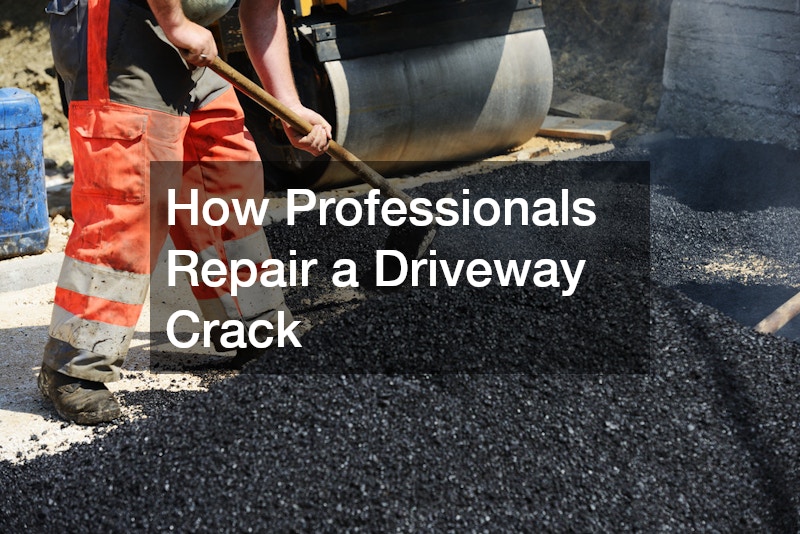
Several tools are essential for an effective repair. Professionals use items such as asphalt rakes, trowels, and squeegees to distribute repair materials evenly. Heat guns or crack-cleaning equipment may also be used to remove debris and ensure proper adhesion. For larger cracks or potholes, compactors may be necessary to ensure the filler settles firmly and the surface remains level. These tools enable precision and consistency, which are key to a professional-quality repair.
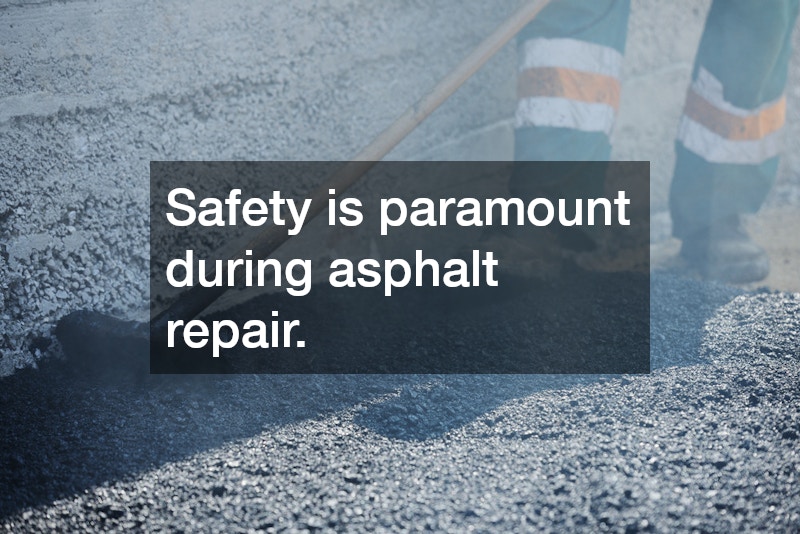
Safety is paramount during asphalt repair. Professionals wear gloves, protective eyewear, and masks to shield themselves from hot materials and dust. Proper footwear and long sleeves prevent burns and injuries, while reflective clothing is often used when working near traffic. Safety equipment ensures that the repair is completed efficiently without putting the workers at risk.
How Is a Crack Repaired Properly?
The first step in professional asphalt repair is preparing the area. This involves cleaning out any debris, dirt, or loose asphalt from the crack. Professionals may use wire brushes, air compressors, or pressure washers to remove contaminants that could interfere with adhesion. The area is then dried thoroughly to ensure the filler bonds correctly with the existing asphalt. Proper preparation is critical for a long-lasting repair.
Once the area is prepared, the appropriate filler or sealant is applied. For narrow cracks, a pourable crack filler is often used, while wider gaps may require patching material or hot-applied asphalt. The repair material is carefully inserted into the crack, ensuring it fills the entire void without leaving air pockets. Tools like trowels and squeegees are used to level the surface, blending the repair seamlessly with the surrounding asphalt.
After the filler or patch is applied, the surface is smoothed and allowed to cure. Some materials require a short curing time before the area can be driven on, while others may need several hours to fully harden. Once cured, the repaired section is often sealed to protect it from water, UV exposure, and traffic wear. Proper curing and sealing ensure that the asphalt repair remains effective and durable, preventing the crack from reopening prematurely.
Driveway cracks can arise from poor installation, weather conditions, and material wear, and addressing them promptly is essential to maintaining a safe and attractive driveway. Professionals use specialized sealants, fillers, and tools to repair cracks effectively, ensuring the repair is both long-lasting and visually seamless. Proper preparation, application, and curing are key steps that require experience and attention to detail. Homeowners can rely on professional asphalt repair not only to restore their driveway’s appearance but also to extend its lifespan and prevent further damage. Investing in expert repairs ensures safety, durability, and peace of mind.